
Root Canal Treatment
Eliminate infection and preserve your natural tooth with advanced endodontic skill.
Begin Your JourneyUnderstanding Root Canal Treatment
Endodontic Therapy
When the pulp—the nerve tissue inside your tooth—becomes infected or inflamed, root canal therapy eliminates the infection and saves the tooth. We employ rotary instrumentation systems (NiTi files) to carefully remove infected tissue, shape the canal system, and irrigate with antimicrobial solutions including sodium hypochlorite and chlorhexidine to eliminate bacterial biofilm and toxins.
We offer both single-visit (completed in one appointment) and multi-visit treatment with inter-appointment medication. Your choice depends on tooth anatomy, infection severity, and individual preference. In all cases, the root canal is sealed with gutta-percha—a biocompatible rubber compound—ensuring a three-dimensional obturation that prevents bacterial re-colonisation.
Post-treatment restoration—typically a crown or composite restoration—seals the access cavity and provides long-term protection. With proper care, most treated teeth survive 10+ years.
Why Choose Us
The Advantages
Tooth Preservation
Root canal therapy saves your natural tooth, avoiding extraction and the complications of missing teeth or implants.
Pain Relief
Eliminates the severe endodontic pain caused by infected pulp tissue, providing immediate comfort with proper anaesthesia.
Proven Longevity
With proper restoration and care, root canal-treated teeth typically survive 10+ years, maintaining oral function and aesthetics.
The Journey
Your Treatment Process
Assessment & Diagnosis
Clinical examination, radiographic imaging (PA and CBCT), and sensitivity testing confirm pulp pathology and determine treatment approach.
Access & Pulp Removal
Local anaesthesia and rubber dam isolation. We access the pulp chamber and remove infected tissue using manual and rotary instruments.
Canal Shaping & Irrigation
Rotary files shape the canal system to a specific taper. Antimicrobial irrigation (NaOCl, chlorhexidine) eliminates bacterial biofilm and toxins.
Obturation & Restoration
Three-dimensional gutta-percha obturation seals the canal system. The access cavity is then restored with a crown or composite restoration for long-term protection.
Results
Transformation
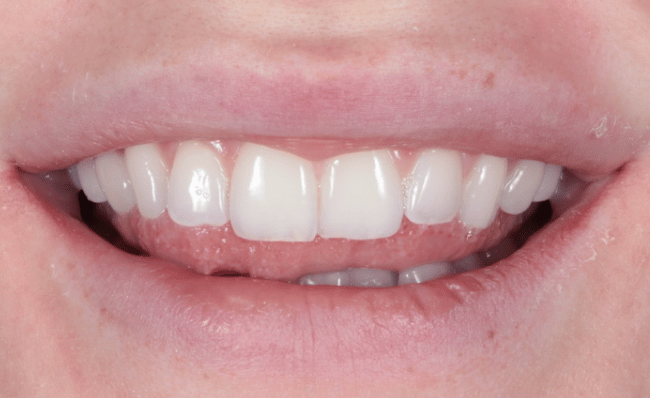
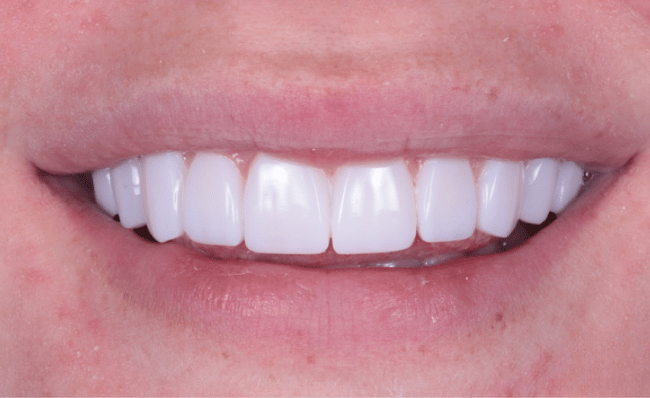
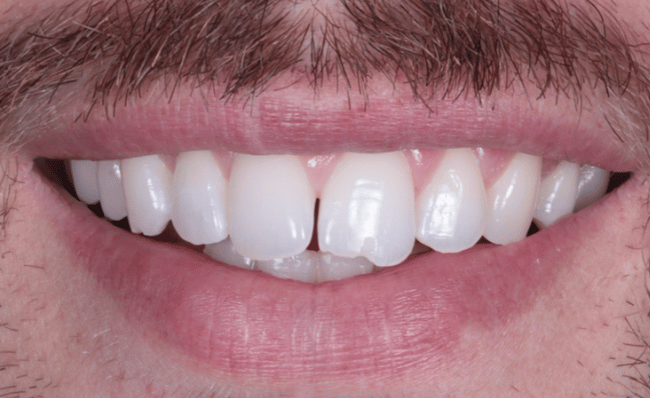
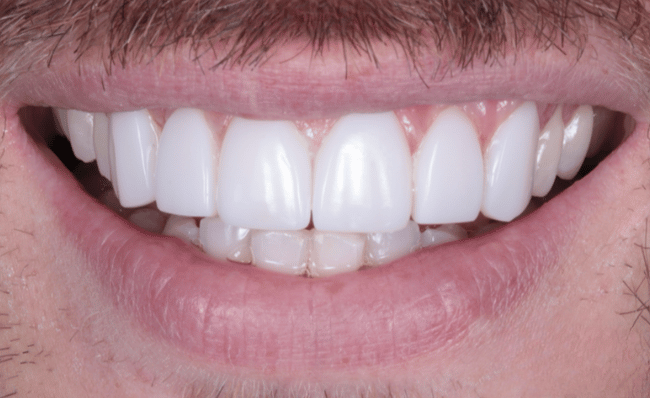
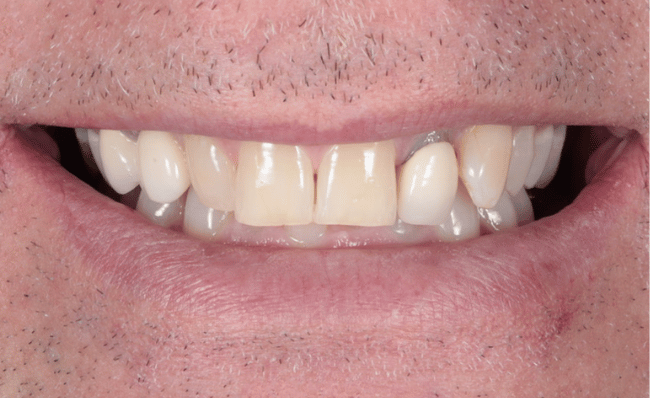
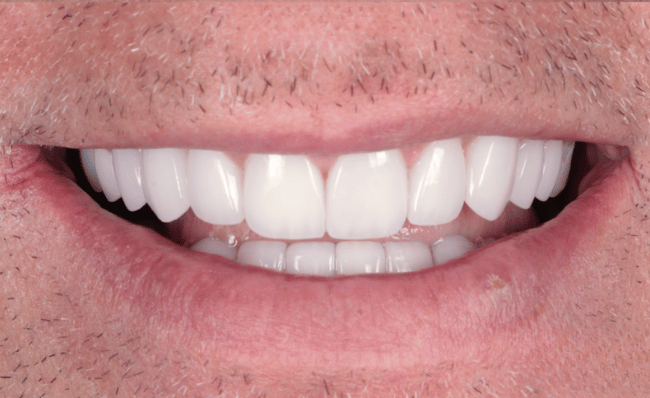
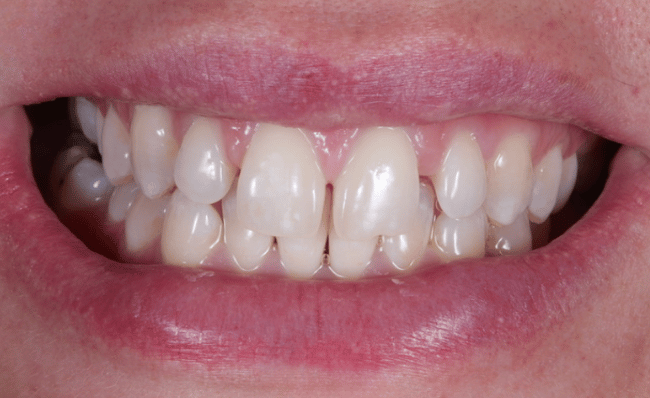
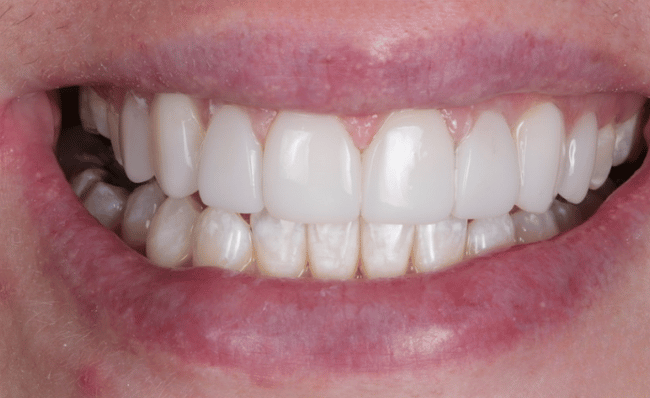
Over 1,000 smiles transformed
Investment
Pricing
Root Canal Treatment
from £400
Includes:
- Complete radiographic assessment and diagnosis
- Local anaesthesia and rubber dam isolation
- Rotary instrumentation and antimicrobial irrigation
- Three-dimensional gutta-percha obturation
- Access cavity restoration
Crown or composite restoration priced separately. Single-visit or multi-visit treatment available depending on clinical needs and patient preference.
We offer flexible payment options to make tooth preservation accessible.
"I was terrified it would be painful—that's all you hear about root canals. But the team made me completely comfortable. I couldn't feel a thing, and honestly, the relief was instant. The pain I'd been dealing with was gone as soon as the treatment was finished."
Root Canal Treatment
Frequently Asked Questions
The pulp—nerve tissue inside your tooth—becomes infected or inflamed due to deep decay, trauma, cracks, or failed previous treatment. Symptoms include severe pain, temperature sensitivity, swelling, and tooth discoloration. Without treatment, the infection spreads to the bone and may lead to tooth loss.
Single-visit treatment completes the entire procedure in one appointment—ideal for straightforward cases. Multi-visit treatment places inter-appointment medication (calcium hydroxide) in the canal to reduce inflammation and ensure thorough bacterial elimination. Both are effective; we recommend the approach based on tooth anatomy and infection complexity.
Root canal-treated teeth are slightly more brittle without the nourishing pulp tissue. This is why we recommend a crown or composite restoration to provide structural support and seal the access cavity. With proper restoration, treated teeth function normally and typically last 10+ years.
Continue regular brushing, flossing, and professional cleanings. Avoid chewing on the tooth until restoration is complete. Some sensitivity to temperature or touch is normal for a few days—this resolves as inflammation subsides. Contact us if symptoms persist beyond a week.
Save Your Natural Tooth
If you're experiencing endodontic pain or have been told you need a root canal, don't delay. Early treatment prevents complications and preserves your tooth.
Book Consultation